What is the Meaning of amusement park rides?
Date: 2025-12-27
Amusement park rides is used for business purposes in a closed area with the carrier of carrying tourists happiness. With the development of science, the development of the society, the modern carnival rides and amusement rides for kids use the machinery, electricity, light, sound, water, power and other advanced technology. More interesting and informative, scientific and thrilling, loved by the majority of teenagers, children generally. To enrich people's entertainment life, exercises the body and mold people's sentiments, beautify urban environment, ride for children has played a positive role.
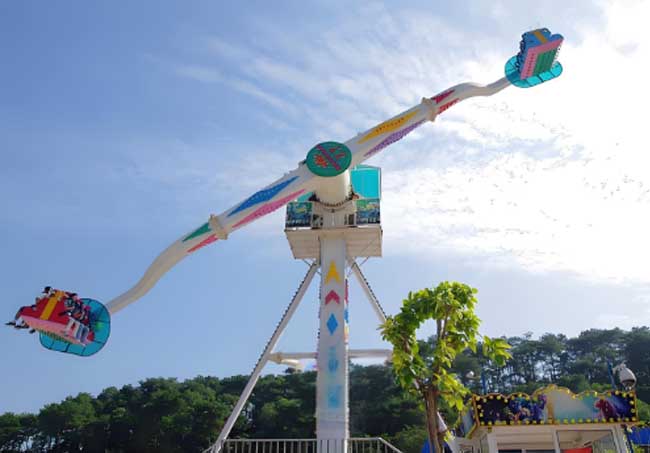
There are many different kinds of modern amusement rides for sale and structure and the movement type, all kinds of specifications size difference, and each has its strong point. Current amusement rides for kids divided into 13 categories according to the motion characteristics namely: carousel, glide, gyro, flight tower, racing, self control plane rides, ferris wheel, small train, aerial tour buses, photoelectric target, aquatic amusement facilities, bumper cars, battery cars, etc.
2. The development of Chinese carnival rides
Amusement rides for kids in China starts late. Modern large-scale amusement rides for sale in our country is almost a blank until the 1980 s. Dated back to 1951 and made by the Beijing machinery, which was designed and installated in Beijing's Zhongshan park electric chair, which was the fist ride for children in our country. In the early 1980s, with the deepening of the reform and opening up, the rapid development of national economy improved people's living standard and promote people's demand for amusement park rides. This became more and more strong. In this situation, domestic amusement rides manufactures designed and produced types were more and more updated. Varieties are more and more, from rotation to glide, from has the power to power, from fixed to mobile, from the ground to the air, from indoor to outdoor, from simple to comprehensive in change, but not in the national standard on the specification.